


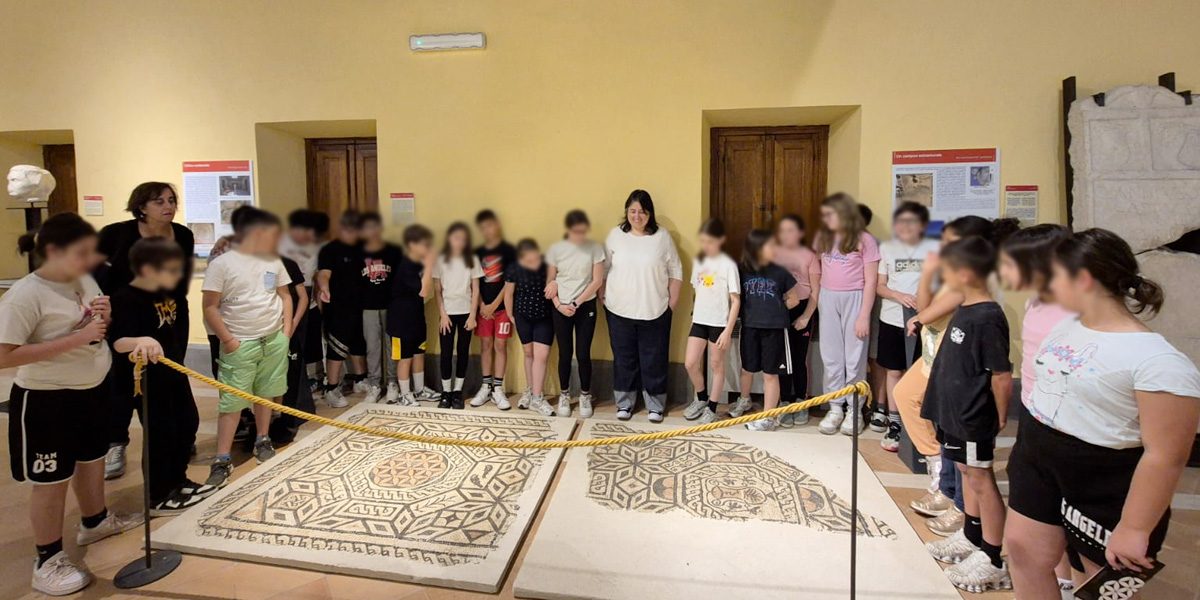
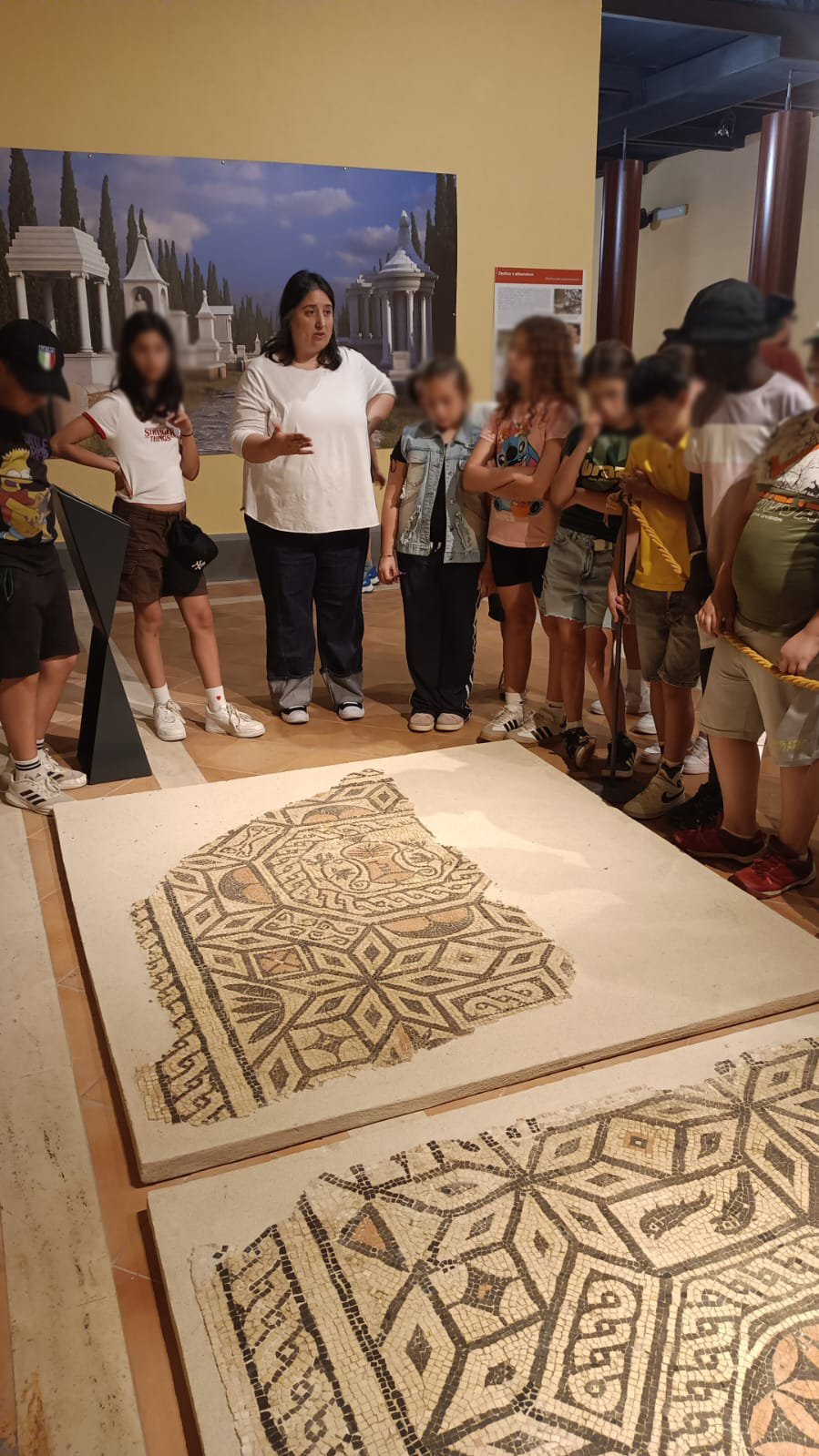
A wonderful outpouring of energy, curiosity, and a desire to discover one’s roots. On May 26, the “Giuseppe Moretti” Archaeological Museum in San Severino Marche welcomed fifth-grade classes from local elementary schools. More than 120 young students filled the museum’s halls, underscoring the museum’s vital educational role and its strong ties to the local community.
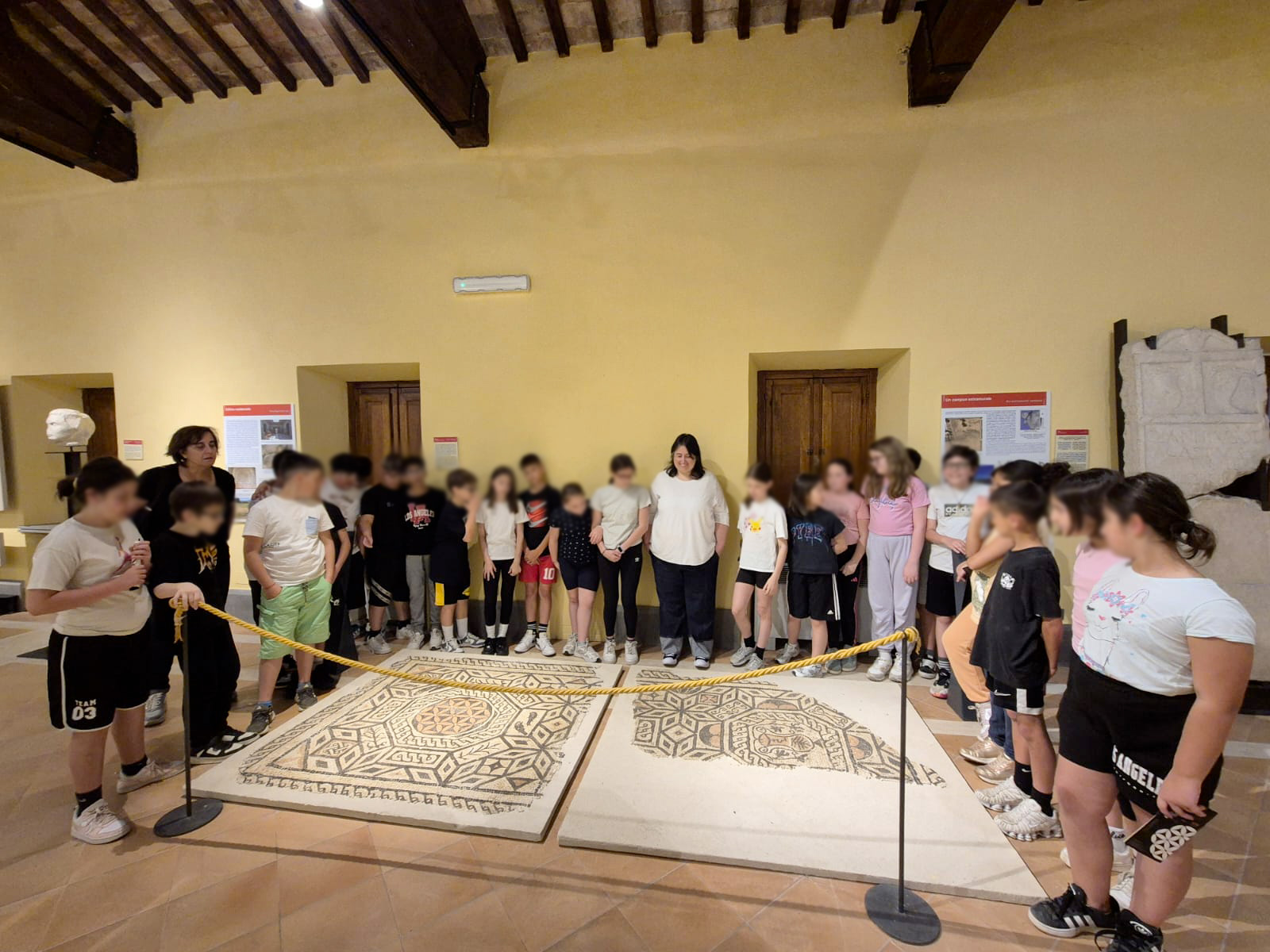
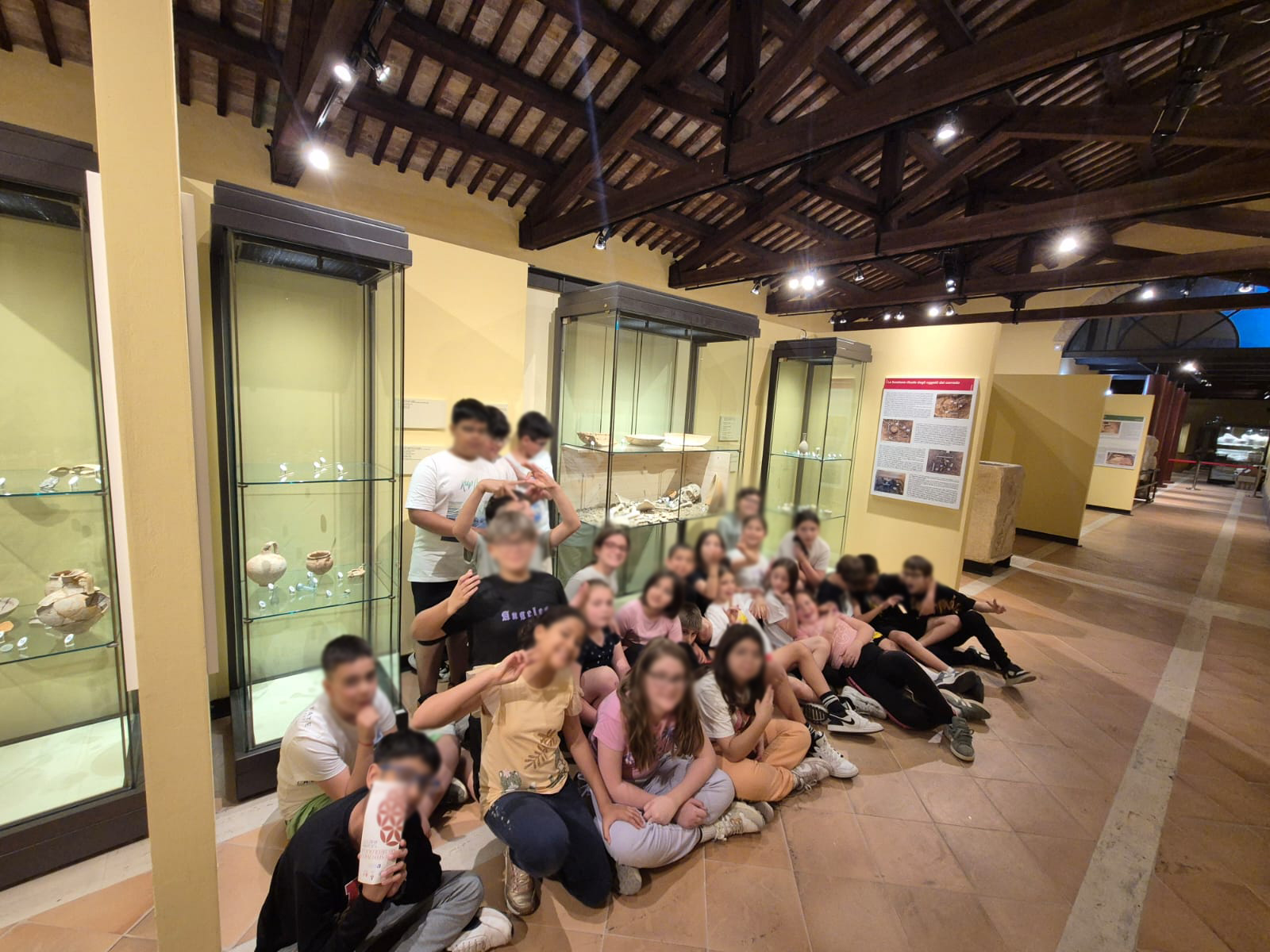
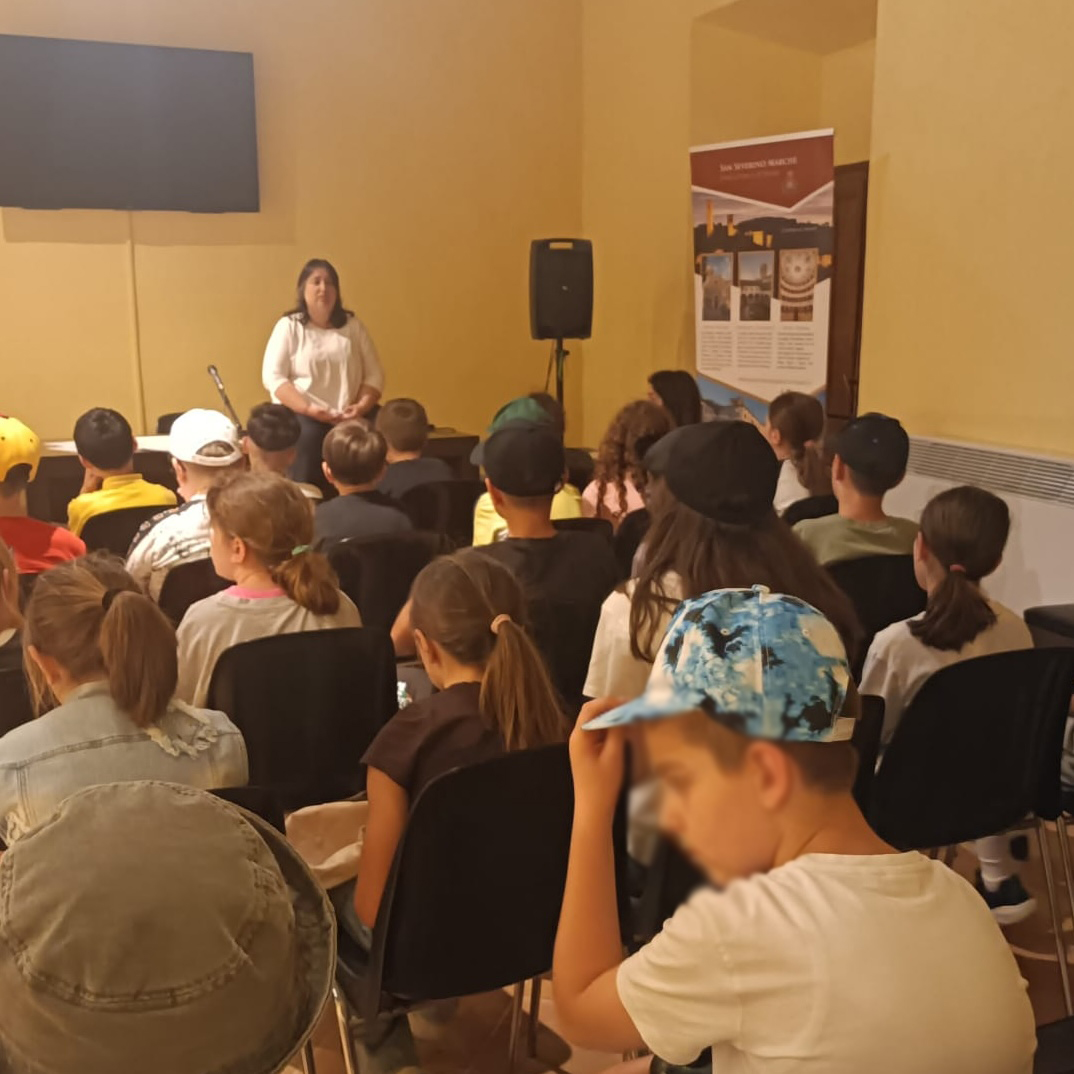
A Journey Through Time: From Archaeology to the Museum
The educational project consisted of a two-part event designed to give the students a hands-on experience of history. The program began on Friday, May 22, with an engaging guided tour of the Septempeda archaeological site, where the students were able to admire the ruins of the ancient Roman city.
The trip then continued on May 26 at the Moretti Museum, with a focused exploration of the Roman section. The students were guided through these two intense days by Dr. Federica Galazzi, Director of the Upper Potenza Valley Museum Network.
Nurturing the “young citizens” of tomorrow
This event is a true act of civic education, because it allows young people to gain firsthand knowledge of the historical heritage of the place where they live, and this lays the foundation for the development of informed citizens who will be able to love, respect, and protect their local area in the future. Ancient history thus ceases to be merely a page in a book and comes to life.
A sign of a true new beginning
The enthusiasm surrounding these events takes on even greater significance when viewed in the context of the recent past: in fact, it had been years since educational initiatives of this magnitude had been organized.
This return of school groups is a tangible sign that the museum is finally getting back on its feet. This revival was strongly supported and made possible thanks to the commitment of the Municipality of San Severino Marche, the Alta Valle del Potenza Museum Network, and the Superintendence of Archaeology, Fine Arts, and Landscape for the Provinces of Ascoli Piceno, Fermo, and Macerata.
The Moretti Museum is thus reclaiming its natural role: to serve as a cultural hub for the valley and a place where younger generations can come together and grow.